BMW New Six (2500, 2800, 2.8, 3.0 and Bavaria) (1968 - 1977) specs:
| BMW 2500 |
1968-1977 |
| Engine |
M30 |
| Cylinders/Valves |
6/12 |
| Max power |
150hp |
| BMW 2800 |
1969-1975 |
| Engine |
M30 |
| Cylinders/Valves |
6/12 |
| Max power |
170hp |
| BMW 2.8l |
1975-1977 |
| Engine |
M30 |
| Cylinders/Valves |
6/12 |
| Max power |
105hp |
| BMW 3.0s |
1971-1977 |
| Engine |
M30 |
| Cylinders/Valves |
6/12 |
| Max power |
180hp |
| BMW 3.0si |
1971-1977 |
| Engine |
M30 |
| Cylinders/Valves |
6/12 |
| Max power |
200hp |
| BMW 3.3l |
1973-1977 |
| Engine |
M30 |
| Cylinders/Valves |
6/12 |
| Max power |
200hp |
|
Few words & links:
|
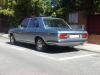
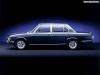
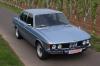
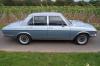
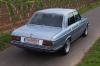
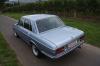
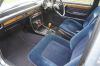
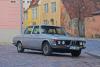
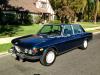
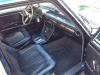
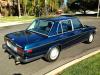
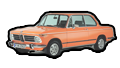
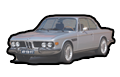
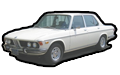
The BMW 2500 was introduced as the first of the BMW "New Six" sedans. These sedans were equipped with quite powerful 6 cylinder engines and sporty saloon body, and were very popular following the popularity of "New Class" mid-size sedans. Also the 2500 was the first BMW model to feature a tool kit, and it later became a BMW hallmark.
The BMW 2500 was not available in US and Canadian markets after 1971, and to replace the 2500, the North America got a special version of the BMW 2800 called the Bavaria.
|
|